
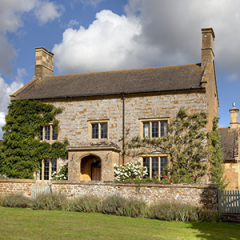
Buying a residential property is one of the most important financial decisions many people make. While a viewing can reveal layout, decoration, and general presentation, it rarely provides a complete understanding of the building’s condition. Hidden or less obvious issues may still exist, and these can affect both immediate costs and long-term ownership. This is why professional surveys remain an important part of the buying process.
For many buyers, Professional RICS Level 2 & Level 3 Surveys in Bedfordshire offer a practical route to understanding property condition before committing. Choosing the correct survey level helps buyers receive relevant information suited to the age, type, and condition of the home.
Why Property Condition Matters
A home may appear attractive during a viewing but still contain concerns that deserve attention. Roof wear, damp indicators, ageing materials, poor ventilation, or movement signs are not always obvious to an untrained eye. A structured survey helps identify visible issues and explains what they may mean for future ownership.
Understanding condition before exchange of contracts allows buyers to make decisions calmly rather than discovering problems later when responsibility has transferred.
What a Level 2 Survey Is Designed For
A Level 2 survey is generally suited to conventional properties built using standard construction methods and appearing to be in reasonable condition. It provides a clear overview of visible elements and highlights issues that may need repair, maintenance, or monitoring.
Typical areas reviewed include:
- Roof coverings and gutters
- External walls and windows
- Internal walls, floors, and ceilings
- Ventilation and insulation indicators
- General signs of damp or wear
Reports are usually structured using a condition rating system, making priorities easier to understand.
When a Level 3 Survey Is More Appropriate
Some properties require a deeper level of inspection. Older homes, buildings with significant alterations, or properties showing visible concerns may benefit from a Level 3 survey. This offers more detailed commentary on construction, defects, and likely maintenance implications.
A Level 3 survey is often useful when buyers want fuller understanding of a more complex property before proceeding.
Choosing the Right Survey Level
Selecting between survey levels depends on several factors:
- Age of the property
- Visible condition
- Construction type
- Extent of alterations or extensions
- Buyer appetite for detail
Modern or standard homes often suit a Level 2 survey. Older or unusual properties may justify the greater depth of Level 3 reporting.
Why Local Market Knowledge Helps
Residential markets vary between towns and neighbourhoods. Housing stock may range from modern developments to older terraces and detached homes. Local context can influence the kinds of issues commonly seen and the type of survey most appropriate.
Areas with older housing may require greater awareness of ageing materials or previous alterations. Newer developments may raise different considerations such as service arrangements or consistency of finishes.
Supporting Better Financial Planning
Unexpected repairs after completion can be stressful and expensive. Surveys help buyers prepare by identifying visible issues before purchase. Even if concerns are not urgent, knowing about them supports budgeting and planning.
This allows buyers to allocate funds realistically rather than being surprised by costs soon after moving in.
Reducing Emotional Decision Making
Property purchases often involve excitement, urgency, and emotional attachment. Buyers may feel pressure to act quickly, especially in competitive markets. A survey introduces objectivity by presenting clear observations in a structured format.
This helps buyers balance enthusiasm with practical understanding and supports more measured decisions.
Helping With Negotiation
Survey findings can be useful during negotiations. If repair concerns or maintenance needs are identified, buyers may choose to revisit the agreed price or seek further information before proceeding.
Even when no renegotiation occurs, having independent information provides reassurance that the purchase decision is grounded in evidence.
Why Clear Reporting Matters
A survey should be useful, not confusing. Clear reporting helps buyers understand what has been observed, what requires attention, and what may simply reflect normal ageing. Accessible language and logical structure are important, particularly for buyers unfamiliar with construction terminology.
When findings are easy to interpret, buyers are better placed to take practical next steps.
Long-Term Ownership Awareness
Surveys are not only about the day of purchase. They also support long-term ownership by helping buyers understand likely maintenance priorities. Awareness from the outset often leads to better upkeep and fewer reactive surprises later.
Knowing where attention may be needed allows owners to plan sensibly over time.
A Sensible Step Before Commitment
For many purchasers, Professional RICS Level 2 & Level 3 Surveys in Bedfordshire provide the confidence needed before exchanging contracts. They turn uncertainty into clearer understanding through structured inspection and reporting.
Practical Confidence for Residential Buyers
Buying a property should feel exciting, but it should also feel informed. Surveys help buyers understand what they are taking on and whether the property’s condition aligns with expectations.
By choosing the appropriate level of survey, purchasers gain relevant insight without unnecessary complication. This strengthens financial planning, supports negotiation where needed, and reduces the risk of unwelcome surprises.
Whether buying a first home, moving to a larger property, or purchasing after time away from the market, professional condition insight remains valuable. A clear picture of the building’s visible state can make the difference between a stressful transaction and a confident one.
In any property purchase, knowledge has real value. Buyers who proceed with awareness are often better prepared for ownership and more comfortable with the decisions they make.
For that reason, surveys continue to be one of the most practical steps available to residential purchasers seeking confidence before commitment.