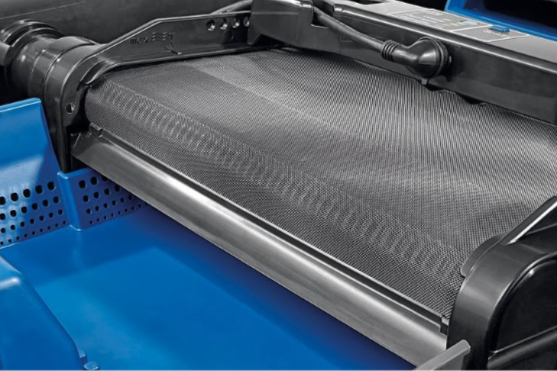

The fashion and textile industry has evolved significantly over the years, shifting from manual processes to highly advanced digital and automated systems. Today, efficiency, precision, and speed are essential for staying competitive in garment production. Two key technologies that play a major role in this transformation are Fabric cutting equipment and Grading software.
These tools help manufacturers improve accuracy, reduce waste, and streamline production processes, making them essential in modern apparel manufacturing.
The Evolution of Garment Manufacturing
In the past, clothing production relied heavily on manual cutting and pattern-making techniques. While skilled craftsmanship was essential, the process was time-consuming and prone to errors.
With the rise of technology, the industry has shifted toward automation and digital solutions. This transition has improved productivity and allowed manufacturers to meet increasing global demand more efficiently.
Understanding Fabric Cutting Equipment
Fabric cutting equipment refers to specialized machines and tools used to cut fabric into precise shapes and sizes during garment production. These machines are designed to improve accuracy and speed while reducing material waste.
They are widely used in both small tailoring units and large-scale industrial factories.
Types of Fabric Cutting Equipment
There are several types of cutting equipment used in the textile industry depending on production scale and fabric type.
Manual Cutting Tools
These include scissors, rotary cutters, and hand knives. They are typically used for small-scale production or sample making.
Electric Cutting Machines
These machines use powered blades to cut multiple layers of fabric quickly and accurately, making them ideal for medium to large production units.
Automated Cutting Systems
Advanced automated systems use computer-controlled technology to cut fabric with high precision. These systems are commonly used in large garment factories.
Benefits of Fabric Cutting Equipment
Modern cutting equipment provides several advantages to manufacturers.
Improved Accuracy
Machines ensure precise cuts, reducing errors in garment production.
Increased Production Speed
Automated systems significantly reduce the time required for cutting large fabric batches.
Reduced Fabric Waste
Efficient cutting layouts help minimize material wastage, leading to cost savings.
Consistency in Production
Every piece is cut uniformly, ensuring consistency across all garments.
The Role of Grading Software in Fashion Design
Grading software is a digital tool used to adjust garment patterns to different sizes. It allows designers to scale a base pattern into multiple sizes while maintaining proportions and fit.
This technology is essential for producing clothing collections in various size ranges.
How Grading Software Works
Grading software uses mathematical formulas and digital design tools to increase or decrease pattern dimensions.
Designers input a base size, and the software automatically generates additional sizes such as small, medium, large, and extra-large.
Digital Pattern Adjustments
Instead of manually redrawing patterns, designers can adjust measurements quickly and accurately.
Size Standardization
Grading software ensures that all garment sizes maintain consistent fit and style.
Advantages of Using Grading Software
The use of grading software has transformed the fashion design process.
Time Efficiency
It significantly reduces the time required to create multiple sizes of a design.
Improved Accuracy
Digital grading eliminates human errors in manual scaling.
Better Fit Across Sizes
Ensures that garments fit well across all size categories.
Easy Design Modifications
Designers can quickly update patterns without starting from scratch.
How Fabric Cutting Equipment and Grading Software Work Together
These two technologies complement each other in modern garment production.
Grading software creates accurate digital patterns in multiple sizes, while fabric cutting equipment ensures these patterns are cut precisely from fabric.
Together, they create a seamless production workflow from design to final garment.
Impact on Production Efficiency
The combination of digital grading and automated cutting has greatly improved efficiency in the fashion industry.
Manufacturers can now produce large quantities of garments in less time while maintaining high quality standards.
Reducing Costs and Improving Profitability
By reducing fabric waste and minimizing manual labor, these technologies help lower production costs.
This allows businesses to remain competitive while maintaining profit margins.
Sustainability in Modern Textile Production
Sustainability has become an important focus in the fashion industry.
Efficient cutting systems reduce material waste, while digital grading minimizes unnecessary sampling.
This contributes to more environmentally friendly production practices.
Challenges in Implementation
Despite their benefits, these technologies require investment and training.
Some challenges include:
- High initial equipment costs
- Need for skilled operators
- Software learning curve
- Maintenance requirements
However, long-term benefits often outweigh these challenges.
The Future of Apparel Manufacturing
The future of garment production is increasingly digital and automated.
Artificial intelligence, 3D modeling, and smart manufacturing systems are expected to further enhance the capabilities of Fabric cutting equipment and Grading software.
This will lead to even faster production cycles and more sustainable practices.
Conclusion
Modern fashion manufacturing relies heavily on technology to meet global demand efficiently and accurately. Tools like Fabric cutting equipment and Grading software have revolutionized the industry by improving precision, reducing waste, and streamlining production processes.
Together, they form the backbone of efficient garment manufacturing, helping businesses stay competitive in a fast-paced and ever-evolving industry.