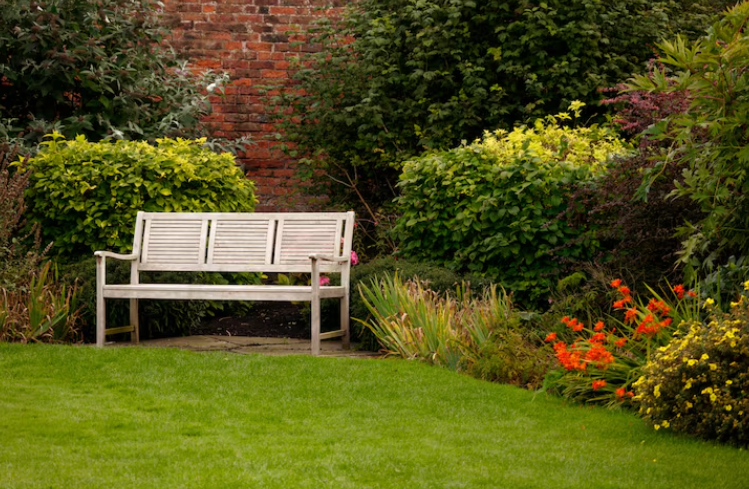
A garden should be designed to be appealing from more than just the vantage point of the patio. This should be functional for how you use your outdoor area, whether you’re hosting friends and family for entertainment, cultivating plants, storing tools, enjoying time away from the indoors, or providing kids a play area.
These various needs can all be accommodated within a good garden design, without making the garden feel crowded. The most effective gardens are a combination of form and function, with careful design, appropriate plantings, good pathways, and functional elements.
Any garden, no matter how clumsy or underutilised, can be a cosy addition to the house with a little planning.
Start With How You Use the Garden
When selecting plants or outdoor furniture, consider what you hope to achieve with the garden design. Want to have space for eating? Or do you wish to have a quiet seating area, a vegetable garden, or a spot to keep tools and bicycles?
Create a basic list of priorities, and put them in order. This can help you avoid the common pitfall of having too many features in one location.
Create Open Spaces
A garden can be divided into various areas to facilitate use. Every element, such as a seating area, planting border, storage space, and lawn, can serve a different function and contribute to a unified design.
Separation may be achieved by varying the paving, planting, or planting with low screens, or by slight changes in grade. Avoid creating too many small sections. The aim is to provide structure, but allow for openness in the garden.
Select Plants for Long-Term Interest
When choosing plants, pay attention to the plants’ appearance, but also think about what they will look like once they are planted. Consider size at maturity, seasonal interest, maintenance, soil type, and exposure.
Trees and shrubs may offer year-round structure, while a combination of evergreen and seasonal flowers can offer privacy. Plant plants of the same watering and maintenance needs together to create a lower-maintenance garden.
Benefits of Garden Sheds
Garden sheds can be a great place to store items, but their location and size should be taken into account when planning the garden. Instead of placing a shed anywhere there is unused space, consider how often you will have to be using it.
A shed for gardening tools should be conveniently located close to planting areas, and a larger workshop may be best located where there is room to work around it. Take into account the size of the shed, the opening of the door, access, ventilation and clearance around the shed before installation.
Consider Future Change and Maintenance
A garden should be something that you enjoy using, rather than something that you’re constantly working for. Think about being able to mow the lawns, prune plants, clean paving, access storage and maintain boundaries easily.
Provide adequate spacing for structures, and plant species that do not grow to choke pathways or windows. You should also consider what your requirements might be.