
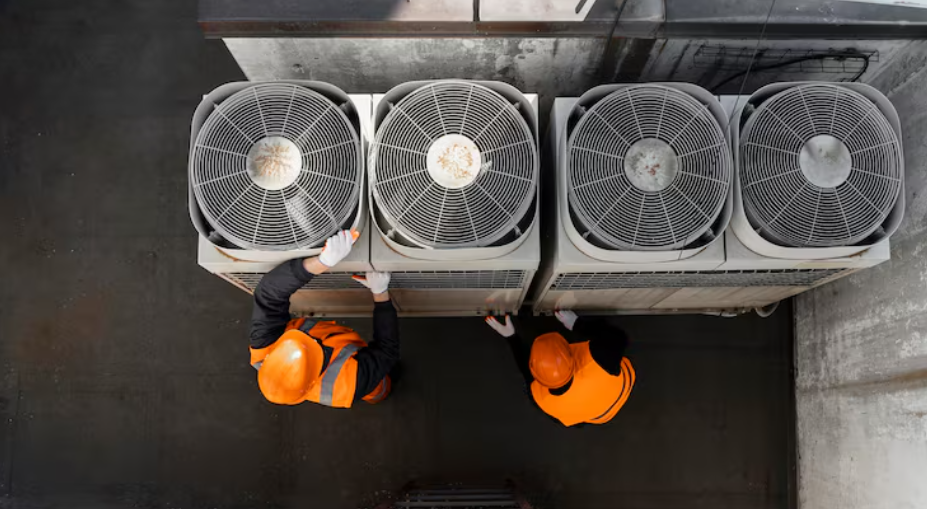
Industrial facilities such as factories, warehouses, and production plants depend heavily on controlled indoor environments. Temperature, airflow, humidity, and air quality all play a major role in safety and productivity. This is where HVAC consulting engineers become essential. They design, evaluate, and optimize heating, ventilation, and air conditioning systems to ensure industrial spaces operate safely and efficiently.
Role of HVAC Consulting Engineers in Industrial Design
HVAC consulting engineers are responsible for planning and designing climate control systems that match the specific needs of industrial facilities. Every industrial site is different, depending on the type of work being done, the size of the building, and the equipment used inside.
These engineers begin by analyzing the building layout and understanding the operational requirements. For example, a food processing plant needs strict temperature control and hygiene standards, while a manufacturing unit may require strong ventilation to remove dust and fumes. HVAC consulting engineers create systems that balance comfort, safety, and energy efficiency while meeting these unique demands.
Improving Workplace Safety Through Better Air Quality
One of the most important contributions of HVAC consulting engineers is improving indoor air quality. In industrial environments, harmful gases, dust particles, and chemical fumes can build up quickly if not properly managed. Poor air quality can lead to health problems for workers and increase the risk of accidents.
HVAC consulting engineers design ventilation systems that continuously remove contaminated air and replace it with fresh, filtered air. They also ensure proper air circulation so that hazardous substances do not accumulate in one area. This helps create a safer working environment and reduces long-term health risks for employees.
Enhancing Energy Efficiency and Cost Control
Industrial spaces often consume large amounts of energy, especially for heating and cooling systems. HVAC consulting engineers play a key role in reducing this energy usage without affecting performance.
They carefully select equipment and design systems that use energy more efficiently. For instance, they may recommend advanced control systems that adjust temperature based on occupancy or production levels. They also consider insulation, airflow design, and equipment placement to minimize energy waste.
By improving efficiency, HVAC consulting engineers help industries lower their operating costs while also supporting environmentally friendly practices.
Ensuring System Reliability and Performance
In industrial settings, even small HVAC failures can lead to major disruptions in production. HVAC consulting engineers focus on creating systems that are reliable, durable, and easy to maintain.
They choose high-quality components that can withstand harsh industrial conditions, such as extreme heat, moisture, or dust. They also design systems with proper backup solutions to prevent breakdowns during critical operations. Regular monitoring and maintenance planning are often included in their designs to ensure long-term performance.
This level of planning helps industries avoid unexpected downtime and maintain consistent productivity.
Compliance with Safety Standards and Regulations
Industrial HVAC systems must follow strict safety and environmental regulations. HVAC consulting engineers ensure that all systems meet local and international standards. This includes fire safety requirements, ventilation codes, and environmental guidelines.
They also keep up with changing regulations and update system designs accordingly. By doing so, they help companies avoid legal issues and ensure safe working conditions for employees. Their expertise ensures that all installations are not only efficient but also fully compliant with industry standards.
Conclusion
HVAC consulting engineers play a vital role in maintaining safe, efficient, and productive industrial environments. From improving air quality and reducing energy consumption to ensuring system reliability and regulatory compliance, their work supports every aspect of industrial performance. As industries continue to grow and modernize, the expertise of HVAC consulting engineers becomes even more important in creating safer and more sustainable workplaces.


