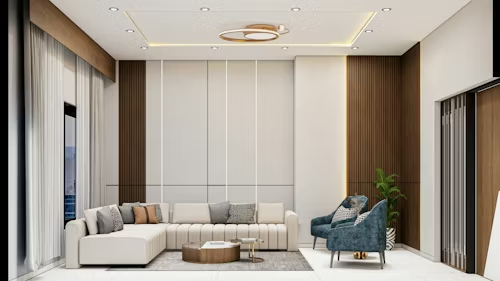

For many homeowners across the UK, extending upwards with a loft conversion has become one of the most rewarding ways to create extra space without the upheaval of moving house. Converting a loft can transform an underused area into a functional, light-filled part of the home, whether that’s an extra bedroom, a stylish bathroom, a home office or a chill-out zone for teenagers. With house prices staying high and the cost of moving climbing each year, it’s no surprise that homeowners are choosing to make the most of the space they already have.
While the basics of loft conversions haven’t changed dramatically, the trends that shape how people design and use these spaces continue to evolve. From smart layouts and clever storage to sustainable materials and striking design features, today’s lofts are far more than just a box room with a skylight. Homeowners want spaces that feel connected to the rest of the house, with high levels of comfort, energy efficiency and a look that complements their lifestyle.
If you’re considering a loft conversion, exploring the latest ideas can help you get the best return on your investment — and create a space you’ll genuinely enjoy spending time in.
Light-Filled Spaces with Bigger Windows
Natural light is often one of the biggest selling points of a loft conversion. Many older conversions relied on small skylights, but modern trends are all about making the most of glazing to flood the new space with light. Rooflights and Velux windows remain popular, but homeowners are increasingly opting for larger, statement windows where the structure allows.
Dormer loft conversions remain a favourite because they create extra headroom and usable floor space, but they also allow for bigger windows that bring the outside in. Juliet balconies, or floor-to-ceiling glass doors with railings, are now a common feature, giving a loft room an airy, almost penthouse feel. For period properties, conservation rooflights can be used to maintain the character of the house while still delivering a modern, bright interior.
Master Bedroom Suites in the Roof
One of the most-loved uses for a loft conversion is turning it into a master bedroom suite. Rather than just squeezing in an extra bedroom, more homeowners are choosing to create luxurious, self-contained retreats complete with en-suite bathrooms and built-in wardrobes.
En-suite bathrooms in lofts used to be seen as a bit of a squeeze, but with smart design, they can now feel spacious and indulgent. Clever plumbing and underfloor heating help make these top-floor bathrooms comfortable year-round. Many people choose to position the bed so that it makes the most of any views from dormer or Velux windows, while statement headboards, feature walls and custom lighting help create a boutique hotel vibe in the comfort of home.
Dedicated Home Offices
The rise of remote and hybrid working has made the home office an essential part of modern living. For households that don’t have the space for a dedicated study on the main floors, converting the loft can be the ideal solution. A loft home office offers a quiet, private zone away from the noise of daily family life, which helps with focus and productivity.
Current trends include adding plenty of built-in shelving and storage to keep the space uncluttered, using large windows or rooflights to maximise daylight, and designing with acoustic insulation to reduce noise from the floors below. Many homeowners choose to install CAT6 cabling and extra sockets to make sure their workspace is as functional as possible. When designed well, a loft office can add significant value by appealing to buyers who work from home or run a business.
Multi-Functional Family Rooms
Another trend gaining popularity is turning the loft into a flexible, multi-purpose family space. Instead of creating a room with a single use, homeowners are choosing layouts that adapt to changing needs — a playroom that can grow into a teenage hangout, or a family den that doubles as a guest bedroom when needed.
Smart storage is key here, with built-in cupboards and shelving making the most of awkward angles under the eaves. Sofas that convert into guest beds and pull-out desks are practical additions. By keeping the decor fresh and neutral, it’s easy to switch the room’s use as family life evolves, making this type of loft conversion a good investment for growing families.
Sustainable Loft Conversions
Sustainability is influencing almost every area of home improvement, and loft conversions are no exception. More homeowners want to make their lofts energy-efficient and eco-friendly, both to reduce bills and to appeal to buyers who value green features.
Modern loft conversions often include high levels of insulation to retain heat, which is especially important in a top-floor room that could otherwise lose warmth quickly. Double or triple-glazed windows help maintain comfortable temperatures year-round. Where possible, homeowners are choosing sustainable materials for flooring, built-in furniture and finishes, such as reclaimed wood, bamboo or low-VOC paints.
Solar panels installed during a loft conversion can be a smart add-on, using the roof space to generate energy for the whole house. Combining good insulation with renewable energy gives your new loft room a smaller carbon footprint and can improve your home’s EPC rating, which is an increasing priority for buyers.
Clever Use of Awkward Spaces
One of the challenges of loft conversions is working around sloping ceilings, beams and unusual angles. Rather than fighting these quirks, modern design trends embrace them. Homeowners are using bespoke joinery to create fitted wardrobes, drawers and shelving that slot neatly into low head-height areas.
Some people choose to add built-in window seats under dormer windows, turning awkward spaces into cosy reading nooks with hidden storage underneath. Sloping ceilings are also a chance to add visual interest with accent colours or patterned wallpaper that might feel overwhelming in a larger room.
By planning carefully, every inch of space can be put to good use, ensuring your new loft feels spacious and uncluttered, whatever its size or shape.
Stylish and Functional Staircases
Getting up to your new loft room is just as important as the space itself, which is why staircase design is becoming a key focus for homeowners. Building regulations require that a loft conversion has a safe, permanent staircase, and many people see this as an opportunity to create an architectural feature.
Open-tread staircases can help make narrow hallways feel bigger, while glass balustrades and sleek handrails add a modern touch. For period homes, more traditional staircases with turned spindles and painted banisters can help blend the new loft with the rest of the house’s character.
Some homeowners add a rooflight above the new staircase to brighten what could otherwise be a dark area. Clever use of storage under loft stairs, such as built-in cupboards or shelves, helps make the most of the space and keeps the approach to your loft tidy and practical.
Loft Bathrooms with Wow Factor
En-suite bathrooms have become a must-have feature in many loft conversions, and homeowners are getting braver with design choices to make the most of limited space. Skylights above the shower or bath bring in natural light and make the room feel larger. Freestanding baths under pitched roofs, walk-in showers with glass panels, and wall-mounted vanities help create the illusion of space.
Features like heated towel rails, underfloor heating and good ventilation are important for comfort in a loft bathroom. Bold tile choices, statement mirrors and stylish fixtures turn these small spaces into real showpieces that add value and appeal to the whole conversion.
Open Plan Loft Studios
Some homeowners, particularly in urban areas, are transforming lofts into open-plan studio spaces. This is a popular choice for older Victorian terraces with generous roof space. Open-plan layouts make the most of limited square footage, especially when natural light is maximised through dormers and large skylights.
Open-plan lofts work well for self-contained guest accommodation or even for older children who want a semi-independent living space while still being under the same roof. Clever zoning using partial walls, screens or furniture keeps the open feel while giving privacy where it’s needed.
Blending Old and New
While modern loft conversions are packed with contemporary features, many homeowners want their new rooms to feel like a natural extension of the house rather than an obvious add-on. This means paying attention to finishes and details that tie the loft in with the rest of the home’s style.
For period properties, this might include exposed beams, traditional skirting boards and heritage paint colours. Sash-style roof windows or conservation rooflights help maintain the character of older homes. Even in newer properties, homeowners often choose flooring, door handles and light switches that match the rest of the house to create a seamless transition from floor to floor.
Making Room for Storage
No matter how big or small a loft conversion is, storage is always top of the wish list. With careful planning, even the trickiest corners can become valuable storage space. Bespoke fitted wardrobes built into eaves, under-bed drawers and floor-to-ceiling shelving make the loft practical as well as beautiful.
Some homeowners choose to keep part of the loft space unconverted for dedicated storage. This is particularly popular when a family wants a new bedroom or office but still needs space for suitcases, seasonal decorations and other bits that don’t need to be on display.
Loft Conversions as Long-Term Investments
One reason loft conversions remain so popular is that they’re one of the most cost-effective ways to add value to a home. Increasing the number of bedrooms can push your property into a higher price bracket and make it appeal to a wider range of buyers. But beyond the financial benefits, the best loft conversions are ones that genuinely enhance how you live day to day.
Current trends show that UK homeowners want spaces that are flexible, comfortable and filled with light. Good insulation, thoughtful layouts and quality finishes make a loft room feel like a true part of the house rather than a second-rate add-on.
For many families, it’s the chance to stay in a neighbourhood they love while adapting their home for a growing household or changing work patterns. And as design trends continue to evolve, the possibilities for making the most of the space under the roof keep getting better.