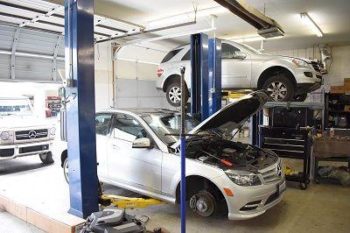

Audi vehicles are renowned for their fusion of performance, design, and advanced technology. With a commitment to progressive engineering and attention to detail, Audi has positioned itself as a brand for those who demand innovation and refinement. But with cutting-edge systems comes complexity, and when problems arise, effective solutions require knowledge, tools, and brand familiarity. The subject of Audi Repairs Hertfordshire is an increasingly important one for owners seeking to protect both performance and long-term value.
From the signature Quattro all-wheel drive systems to digital cockpits and adaptive suspension setups, Audi vehicles present both opportunity and challenge when it comes to servicing. These aren’t cars that can be reliably repaired using general equipment or guesswork. They require proper diagnostic processes and a clear understanding of how one issue may be linked to several others beneath the surface.
Audi Engineering: A System Built on Integration
At the heart of every Audi is a system of interdependent modules. Engine performance isn’t just about fuel and air it’s also about sensor input, ECU mapping, boost regulation, temperature control, and emissions management. The gearbox, too, isn’t just mechanical. Whether it’s a traditional Tiptronic, S tronic dual-clutch, or CVT, every component is electronically monitored and adapted based on real-time inputs.
When these systems fall out of sync, the result can be hard to trace without the correct tools. Audi uses a diagnostic platform known as VAS (Vehicle Diagnostic Tester), which interfaces with the car’s electronic control units. Without access to this system, many faults remain hidden or misinterpreted by basic scan tools.
Common Audi Repairs
Over time, certain repair issues tend to emerge across Audi’s model range. While some are model-specific, others stem from the shared modular platform used across many vehicles.
- Oil Consumption: Some petrol engines, particularly earlier 2.0 TFSI units, have a tendency toward high oil consumption due to piston ring design.
- Water Pump Leaks: Plastic impellers and housing units used in many models can lead to gradual coolant loss, sometimes undetected until the engine overheats.
- DSG Gearbox Problems: S tronic transmissions may develop shifting delays or rough engagement, usually linked to mechatronic faults or clutch pack wear.
- Timing Chain Tensioners: Failure of these components can lead to rattles at startup, or in worse cases, engine damage if ignored.
- EGR and DPF Faults: Common among diesel models, carbon buildup leads to poor engine performance and warning lights requiring forced regeneration or part replacement.
- Sensor Failures: From camshaft position sensors to parking assistance and ABS modules, electronic reliability is essential for system harmony.
While some symptoms may be small at first a noise, a warning light, or hesitation during acceleration these are often early signs of larger system imbalances. Addressing them promptly, and correctly, prevents larger costs and keeps performance steady.
Diagnostic Precision
Modern Audi diagnostics involves more than simply reading a code and replacing a part. Each system communicates through a central gateway, and resolving faults often requires system testing, reset sequences, and software adaptations.
For example, replacing an EGR valve doesn’t simply mean removing and fitting a new one. It requires system learning and reset through VAS tools. Replacing a control module like a door ECU must involve coding, otherwise, it may not function correctly, or worse, trigger other issues such as CAN errors or failed communications.
Another factor is software versioning. Audi often releases firmware updates to improve component efficiency or fix software-related errors. These updates must be applied carefully, with proper voltage stability and using official access credentials. When skipped or done incorrectly, vehicle systems may experience further instability.
Component Compatibility
Using genuine or compatible parts is a critical part of successful repairs. Audi components are manufactured with strict tolerances. Choosing parts that don’t meet these standards can affect both function and safety.
Take suspension arms, for example. While there are dozens of aftermarket versions available, not all meet Audi’s design criteria. An inferior bushing can compromise handling or wear prematurely. Similarly, using incorrect spark plugs in turbocharged engines can lead to misfires, detonation, or ECU fault detection.
Many parts also include calibration codes that must be entered during installation especially with items like throttle bodies, injectors, or ride-height sensors. Missing this step results in ongoing issues, even if the new part is otherwise functional.
Evolving Audi Technologies
Recent Audi models are increasingly electrified and digitally controlled. Mild hybrids, full electrics, and vehicles with lane assist, adaptive cruise, and digital cockpits require additional procedures for service and repairs.
Replacing a windscreen with integrated driver assistance systems, for instance, isn’t a simple glass change. It requires recalibration of the camera and radar systems to ensure safe operation. Wheel alignments on vehicles with adaptive suspension must be followed by system resets and geometry checks within the software.
These evolving needs make generalist service approaches increasingly ineffective. A job done without the correct procedure can result in warranty complications, system faults, or degraded performance.
Maintenance Over Repair
One of the most effective strategies for avoiding repair costs is to invest in thorough, timely maintenance. Regular checks, not just oil and filters, but diagnostics and software reviews, help to catch problems before they escalate.
Some preventative actions include:
- Monitoring oil levels and quality regularly, especially on direct injection engines.
- Checking coolant levels for gradual drop-off, which may signal hidden leaks.
- Scanning for stored (but inactive) faults during routine visits.
- Updating control unit firmware when new versions are released.
- Inspecting suspension and steering for play, alignment shifts, or uneven wear.
- Confirming battery condition and registering replacements properly.
By keeping these areas in check, not only are future faults reduced, but overall vehicle performance remains consistent. It’s this consistency that supports long-term ownership satisfaction.
Technical Knowledge and Repair Standards
Behind every successful repair is a technician who understands the brand’s engineering logic. This includes not only what to fix but how and when. Understanding fault trees, logical sequences, and software dependencies is what ensures a long-lasting outcome.
Replacing a part without understanding its relationship to other systems is like replacing a puzzle piece without seeing the full picture. Proper repair standards involve:
- Confirming the specific fault and its cause.
- Selecting a compatible replacement part.
- Following correct installation procedures.
- Applying necessary software resets or adaptations.
- Testing under various real-world conditions.
This process avoids repeated faults and protects the rest of the vehicle’s systems from unnecessary strain.
Looking Forward
Audi vehicles will continue to evolve. With that evolution comes increased reliance on networked systems, autonomous features, and electrification. As complexity rises, so does the need for accurate, informed repairs.
By understanding how these systems work and how to fix them without compromise technicians can ensure the vehicle continues to deliver the performance, comfort, and safety expected from the brand.
Whether it’s a combustion engine sedan or a plug-in hybrid SUV, maintenance and repair must evolve alongside the car. And those who treat each issue with patience and precision are the ones who keep the cars running right not just for today, but for years ahead.
The topic of Audi Repairs Hertfordshire goes far beyond finding a place to fix a fault. It’s about maintaining the systems that define what the vehicle is. When performance, technology, and reliability matter, only accuracy will do.