
Designing a bathroom involves more than choosing products. It begins with identifying how the room will be used and what the space demands. A successful bathroom layout supports comfort, cleanliness, and ease of movement. For anyone planning a home improvement in Ealing, attention to layout, surface choice, and function will determine how well the room supports everyday use.
The process starts with a plan that focuses on function. Each bathroom serves a different purpose. Some support busy family routines. Others are quiet spaces used occasionally by guests. Understanding how many people will use the room, how often, and what storage is required helps shape the layout. The space should offer more than just visual appeal. It should work day to day without causing inconvenience.
Proper layout keeps movement smooth. Whether the bathroom is large or compact, each element must fit without crowding the space. A toilet placed too close to a basin or a door that swings into another fixture disrupts flow. Smart planning avoids these problems by selecting pieces that fit the room without forcing adjustments.
Storage needs are often underestimated. People tend to collect more products and supplies than expected. Towels, toiletries, and cleaning items all require designated areas. Shelves, wall units, and under-basin drawers help keep the room neat. When planned well, these features allow easy access without affecting comfort.
Lighting is one of the most important details. It influences both function and mood. Bright ceiling lights are useful during cleaning or grooming, while softer task lighting supports a more relaxed atmosphere. The choice of fixtures and their placement should provide flexibility. A well-lit mirror, dimmable controls, and accent lights can help the room shift between practical and calming roles.
Moisture protection must be built into every part of the room. Even small amounts of water can damage furniture or walls if not managed correctly. Waterproof finishes, well-fitted seals, and easy-to-clean surfaces reduce risk. Grout lines should be sealed. Flooring should resist slipping when wet. These small decisions make the bathroom safer and simpler to maintain.
Ventilation is another essential factor. Without fresh air flow, condensation builds up. This leads to damp smells, mould, and peeling finishes. A good extractor fan or openable window prevents these issues. Proper ventilation supports both hygiene and the longevity of the surfaces and furniture.
Fixtures should be chosen not just for appearance, but for practicality. A tap that looks good but splashes water or collects fingerprints quickly becomes frustrating. Smooth controls, easy-to-reach levers, and finishes that resist smudging contribute to daily comfort. Baths, basins, and toilets should be positioned with enough clearance around them to use comfortably.
Floor space matters, even in rooms where people do not spend much time. Tight corners or awkward walkways affect how people feel inside the space. If movement feels restricted, the room quickly becomes frustrating to use. Choosing compact furniture, wall-mounted units, and recessed storage helps maximise space without reducing function.
Materials should be chosen based on both feel and performance. Porcelain, stone, laminate, or treated wood all offer different benefits. Their suitability depends on how much water contact they will have and how often the room is cleaned. Materials that clean easily, stay durable under daily use, and resist staining help reduce long-term maintenance.
Colours also influence the feel of the space. Lighter tones make rooms feel larger and brighter. Darker shades offer contrast and depth. Neutrals provide flexibility. Combining colour with texture can help define zones in the room without needing walls. A single feature wall or a change in tile style may guide the eye and add character without reducing function.
Mirrors have both a visual and practical effect. They reflect light, create a sense of space, and help during grooming. A well-positioned mirror above the basin is almost always included, but larger panels or mirrored cabinets can double the impact. Adding mirrors on side walls also contributes to a brighter room without the need for extra fittings.
Heating should not be overlooked. A cold bathroom is uncomfortable, particularly in colder months. Heated towel rails, underfloor heating, or radiator systems can all make a difference. The type and placement depend on the room size and usage patterns. It is important that heating works alongside ventilation to maintain consistent conditions.
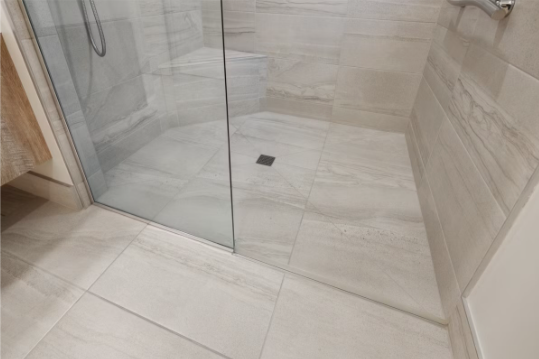
Accessibility should be built into the design when needed. Level floors, walk-in showers, raised toilet seats, or wider doorways support safe use for people with reduced mobility. Even when not required now, planning with future access in mind helps the room stay useful without needing major changes later.
Fittings that are easy to clean help preserve the appearance of the bathroom. Wall-mounted toilets, minimal corners, and smooth finishes reduce the areas where dirt collects. The result is a room that looks tidy with less effort. Investing in good design now reduces the time needed for daily upkeep.
Design your bathroom Ealing projects with attention to both present needs and future plans. A space that works well today should also remain useful in years to come. Flexibility in storage, durable materials, and a layout that avoids barriers make the room adaptable to changes in lifestyle or household size.
Cost management is best approached by prioritising the areas that see the most use. Investing in good-quality basins, taps, and storage usually brings the greatest return. Savings can be made on accessories, decorative items, or parts that are easier to replace later. A good rule is to spend more on pieces that are hard to swap out once installed.
Plumbing access should also be kept in mind. Behind-the-wall systems look sleek but may be harder to repair if problems arise. If hidden systems are chosen, ensure that there is a way to access them easily. Panels, removable covers, or service areas keep future repairs from becoming full renovations.
Design your bathroom Ealing renovations with a focus on clarity, comfort, and sensible choices. Avoid overcomplicating the space with too many features or decorative elements. Simpler designs tend to work better over time. They allow for easy adjustments and accommodate changes in use without requiring full redesigns.
Good bathroom design supports a daily routine that feels calm and uninterrupted. The room should support both quick morning preparations and slow evening routines without requiring adjustment. Every feature should serve a purpose, even if that purpose is simply to create a better experience.
Whether the room is large or small, modern or traditional, planning matters more than size. Careful placement of fixtures, smart storage, and thoughtful lighting turn even the most limited space into one that works well. Clear decisions about layout, materials, and use lead to a bathroom that offers support where it is needed most.